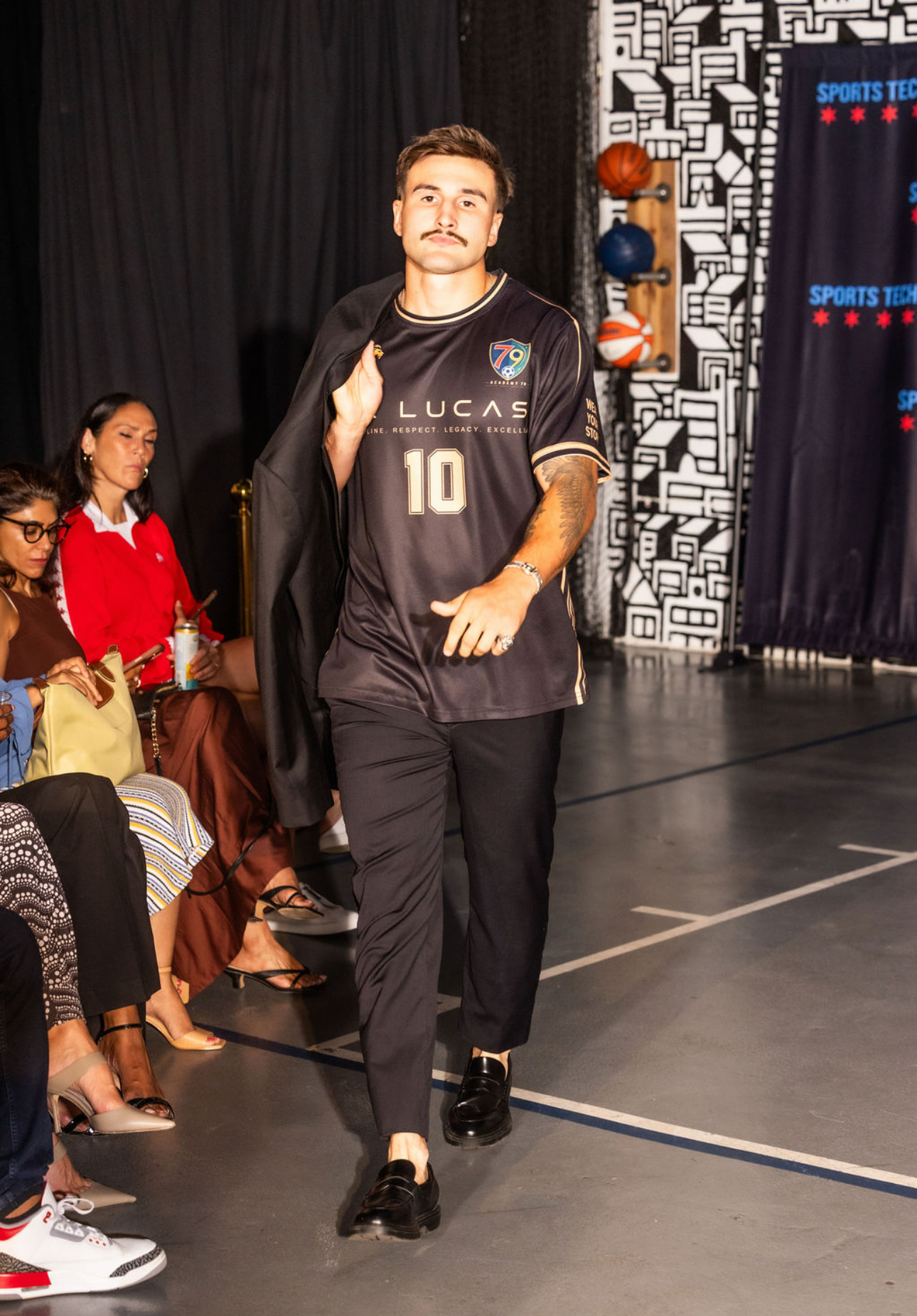
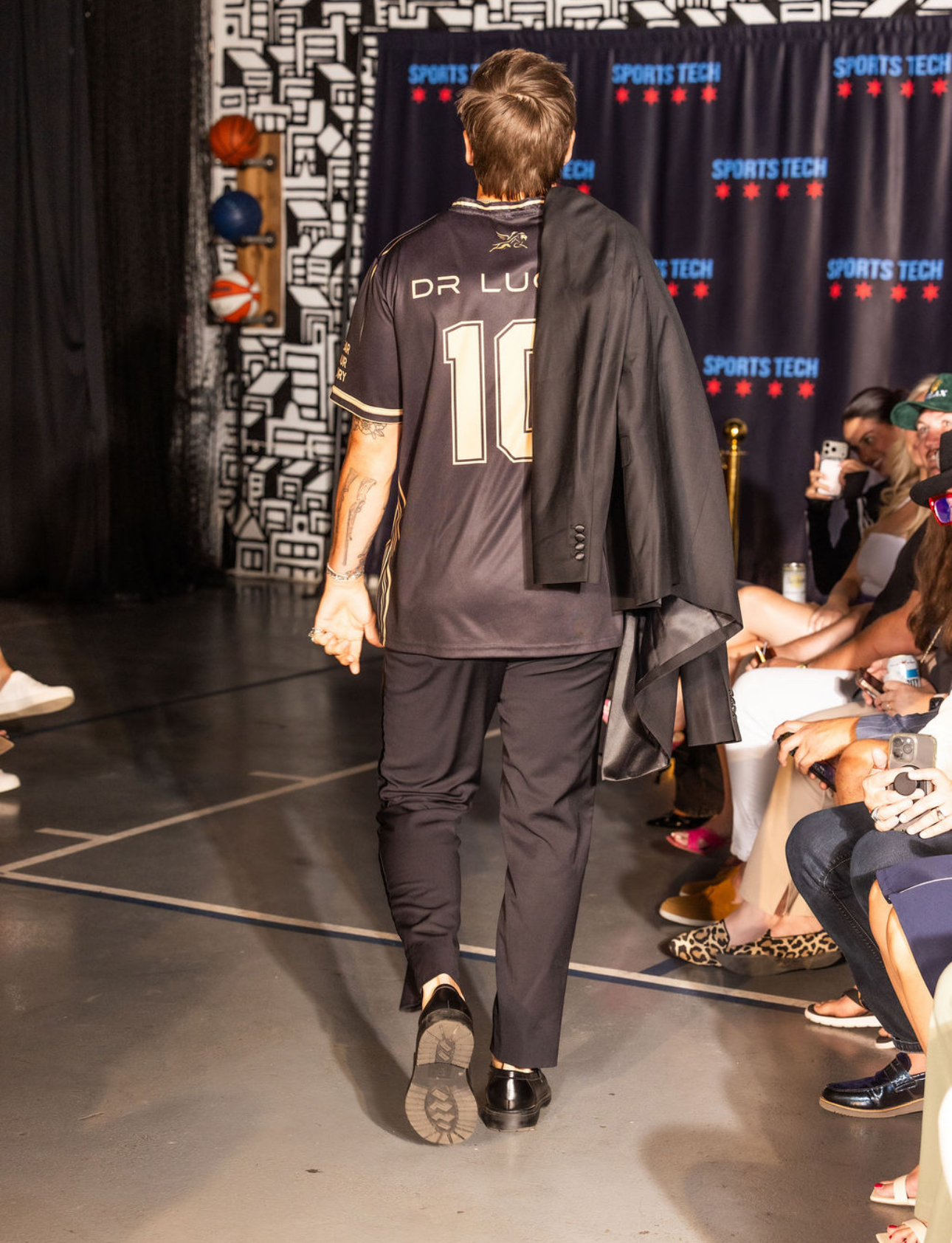
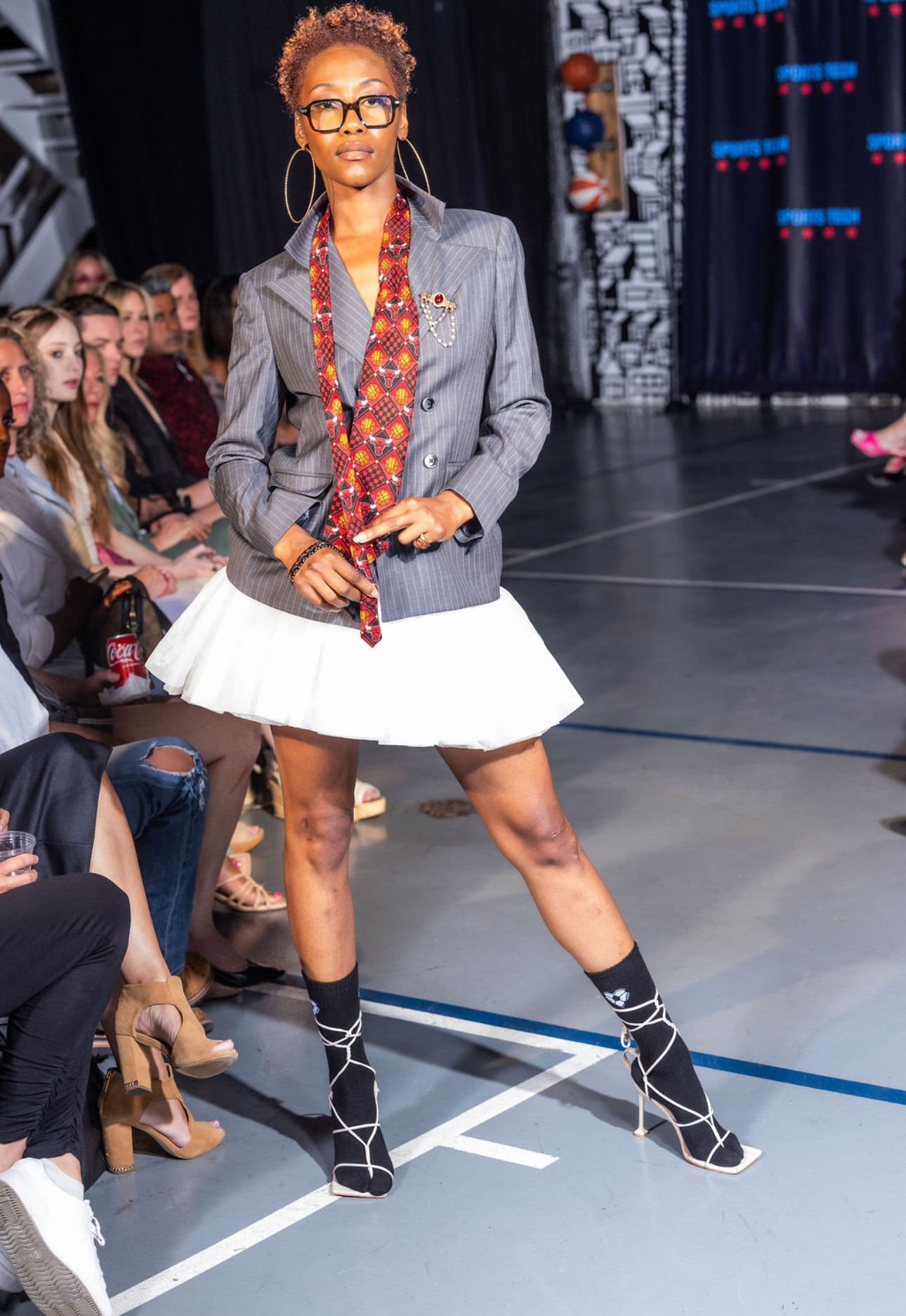
Origin, passage, becoming, and legacy, worked into modern tailoring.
The collection began with a question asked in a fitting room: where are you from, and what did you bring with you? Hidden maps, handwriting, archival frames, and symbolic hardware became the vocabulary. Each piece is numbered, and its provenance is recorded in the house archive.
What sits against the body is where the story is kept.
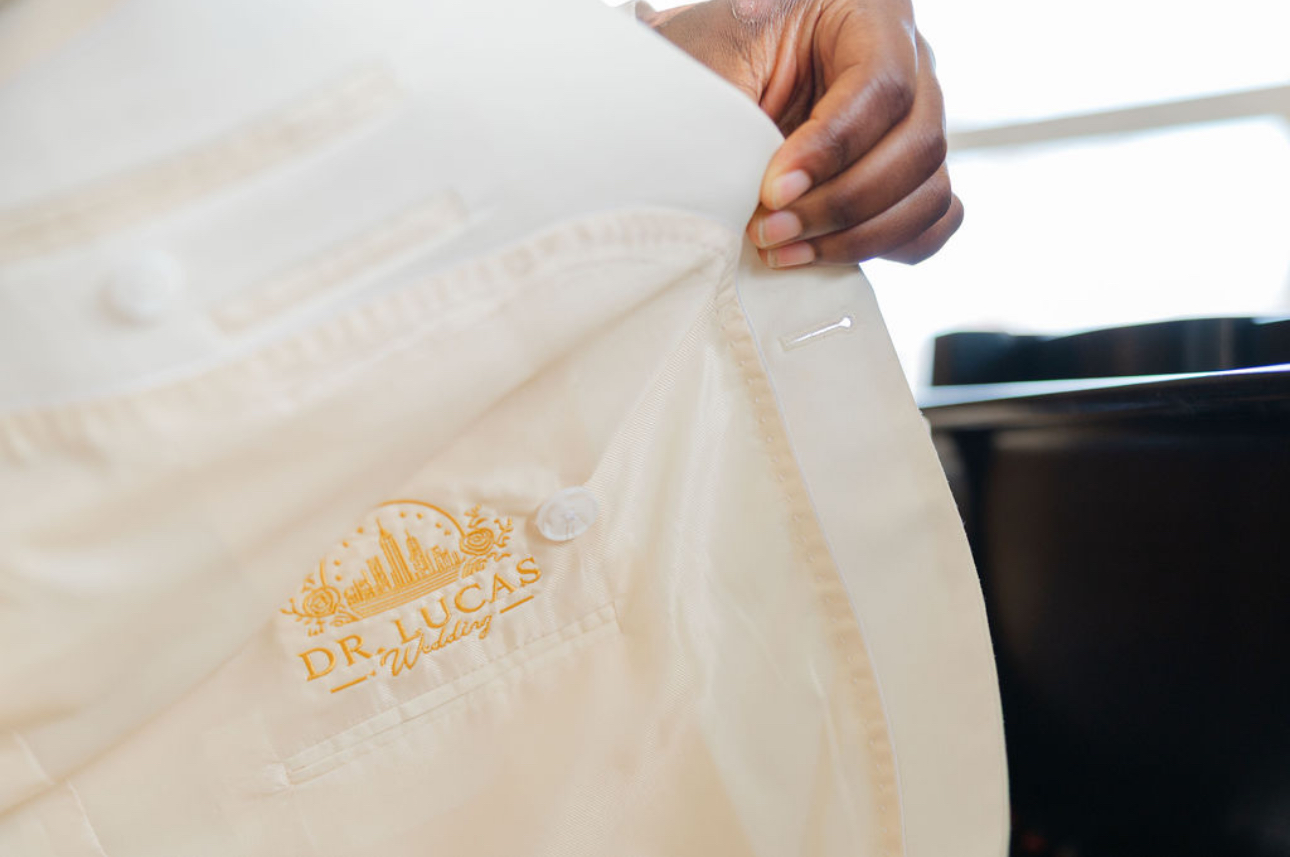
A lining is the most private surface in a wardrobe. We use it for the things a client would not announce: a mother's handwriting, the coordinates of a street, a date, a promise. The exterior belongs to the room. The interior belongs to the wearer.
Before a silhouette is drawn, we place the work inside one of four chapters. The chapter determines tone, material, and restraint. It is a way of designing with a person's timeline rather than a season's trend.
Wardrobe, invitation, atmosphere, and keepsake, written in one hand.
Most weddings are assembled from vendors. A wedding story system is composed instead: one narrative that governs the garments, the paper, the flowers, the guest journey, and the objects that remain when the room is empty.
Haiti gave the house its sense of color held in reserve. Brooklyn gave it edge and pace. Chicago gave it structure and room to build. Jeff Magloire works between all three, and the studio travels to where the work lives.
People rarely remember the size of a room. They remember a lining, a line spoken, a song chosen carefully, the weight of an object handed over. We design for those points of contact first, and let everything else support them.